nick adams
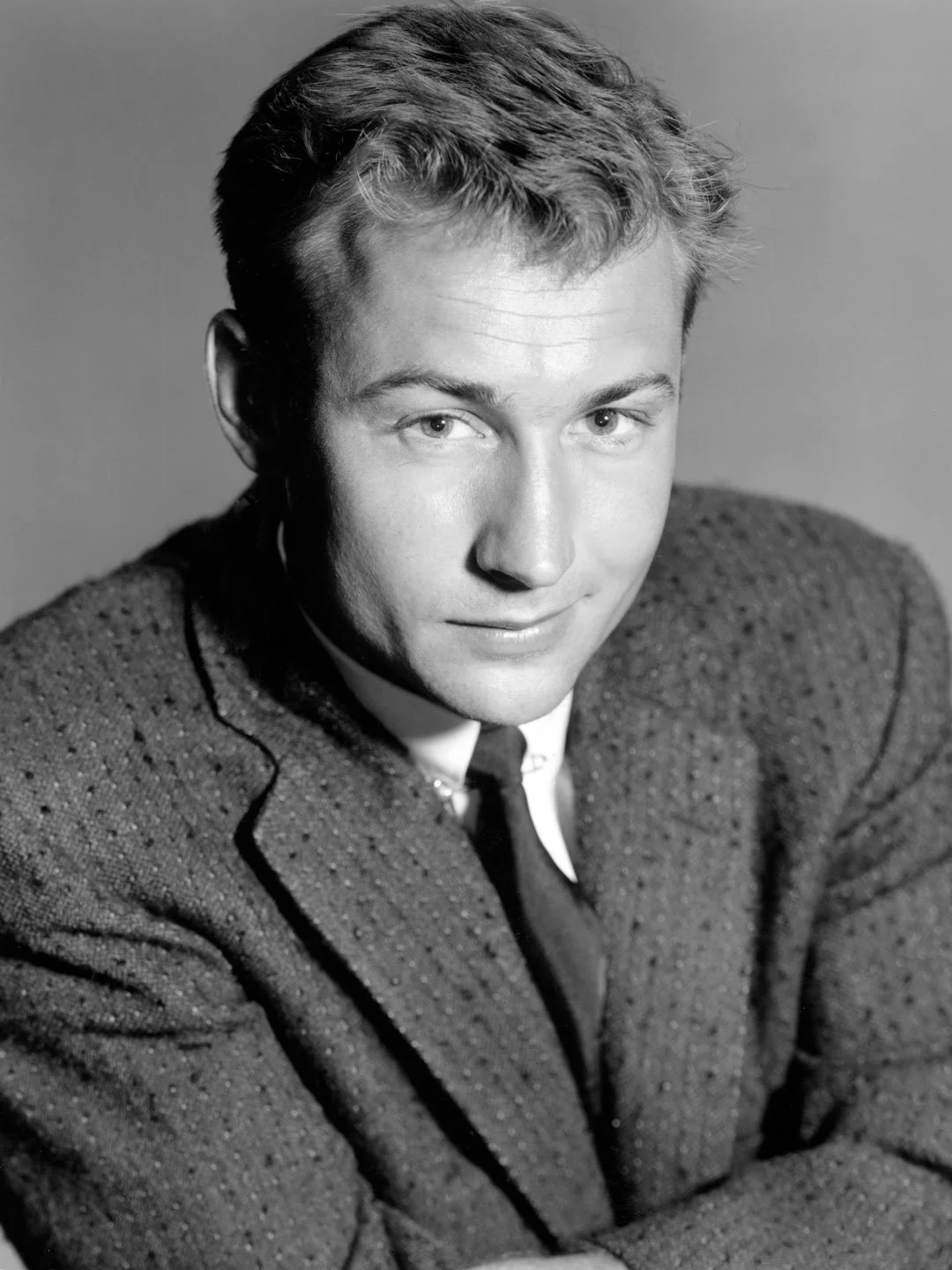
The actor who would be known to audiences worldwide as Nick Adams was born as Nicholas Aloysius Adamshock in 1931 in the Hanover section of Nanticoke. The son of a coal miner, Adams grew up in extreme poverty in a company house, and spent much of his life craving the financial stability that had eluded his parents. Following a mining accident that killed Adams’ uncle, the family moved to Jersey City to spare Adams from the life of a coal miner. An excellent athlete, Adams could have become a professional baseball player, but he ultimately chose a different path.
Adams first looked for acting work in the New York City theatre scene. He met fellow Northeast Pennsylvania native Jack Palance, who helped Adams secure his first role on a New York stage, a bit part in Tom Sawyer. Following a string of unpaid stage gigs in New York, Adams hitchhiked to Los Angeles to give screen acting a shot. Adams worked odd jobs and relentlessly self-promoted his career during his early years in Los Angeles. Still, he continued acting on stage, and partly used his funds to participate in an acting workshop group operated by Arthur Kennedy.
Adams made his film debut in 1951’s Somebody Loves Me, in which he had a single line of dialogue. He then joined the United States Coast Guard during the Korean War, but his acting desires stayed with him. Adams got a chance to audition for John Ford during the making of 1955’s Mister Roberts. For the audition, Adams wore his Coast Guard uniform, impersonated James Cagney, and clicked out “give the kid a break” in Morse code using his mouth. Ford admired Adams’ spunk, and Mister Roberts replacement director Mervyn LeRoy likewise appreciated Adams’ talent. LeRoy would later help Adams find a steady agency to help advance his career.
Despite appearing in two Best Picture nominees in 1955 — Mister Roberts and Picnic — Adams’ most impactful role of the year was as Chick in Rebel Without a Cause. Though the part was small, the star power of the cast was not. Adams formed friendships with castmates James Dean and Natalie Wood, while also becoming close friends with Elvis Presley during this era. In fact, Adams and Presley spent some time writing a book together. Adams’ social life became a frequent topic of discussion around Hollywood, and he became one of the faces of mid-century teenage angst. Adams took Dean’s death in 1955 particularly hard, and helped to complete his friend’s unfinished role in the 1956 classic Giant by redubbing a few lines of dialogue.
Based on the strength of his 1955 output, Adams appeared in films like The Last Wagon, Teacher’s Pet, and Pillow Talk in the next few years. In 1958, Adams teamed up with LeRoy again for the comedy No Time for Sergeants, which saw Adams with perhaps his largest share of screentime yet. With No Time for Sergeants, Adams showed that he was ready and willing to take on more active parts.
Adams, Andrew J. Fenady, and Irvin Kershner established Fen-Ker-Ada Productions, with their flagship project being a television show: The Rebel. It was a star-making, leading vehicle for the co-creator Adams, who played Johnny Yuma, a disillusioned ex-Confederate traveling the American West and providing aid where needed. The show ran from 1959 to 1961, and became Adams’ signature role. Following The Rebel’s cancellation, Adams received further acclaim for the television show Saints and Sinners, where he again played the main character.
In 1963, Adams received his highest professional honor with an Oscar nomination for Best Supporting Actor. He portrayed a murder suspect in Twilight of Honor, and was considered the film’s highlight element. Adams was unashamed in his desire to win the award and spent thousands of dollars to support his own campaign, though he was beat out for the Oscar by Melvyn Douglas in Hud.
Following the Oscar nomination, Adams made multiple films for Toho Studios in Japan, becoming one of the first American actors to cross over into the Japanese film industry. He starred in the cult films Astro-Monster and Frankenstein vs. Baragon, before eventually returning to the United States to pick up small-budget television and film roles. Back in Luzerne County, Adams accepted an honorary lifetime citizenship award from the City of Nanticoke.
Adams died in 1968 at the age of 36. The circumstances surrounding his death have come into question over the years, but Adams has always been a beloved figure in his home area. Thousands of people attended Adams’ funeral services near his final resting place in Berwick, Columbia County. While enjoying the peak of artistic success, Nick Adams lived out a rags-to-riches story that continues to inspire the people of Luzerne County.