C. Edgar Patience
Class of 2023
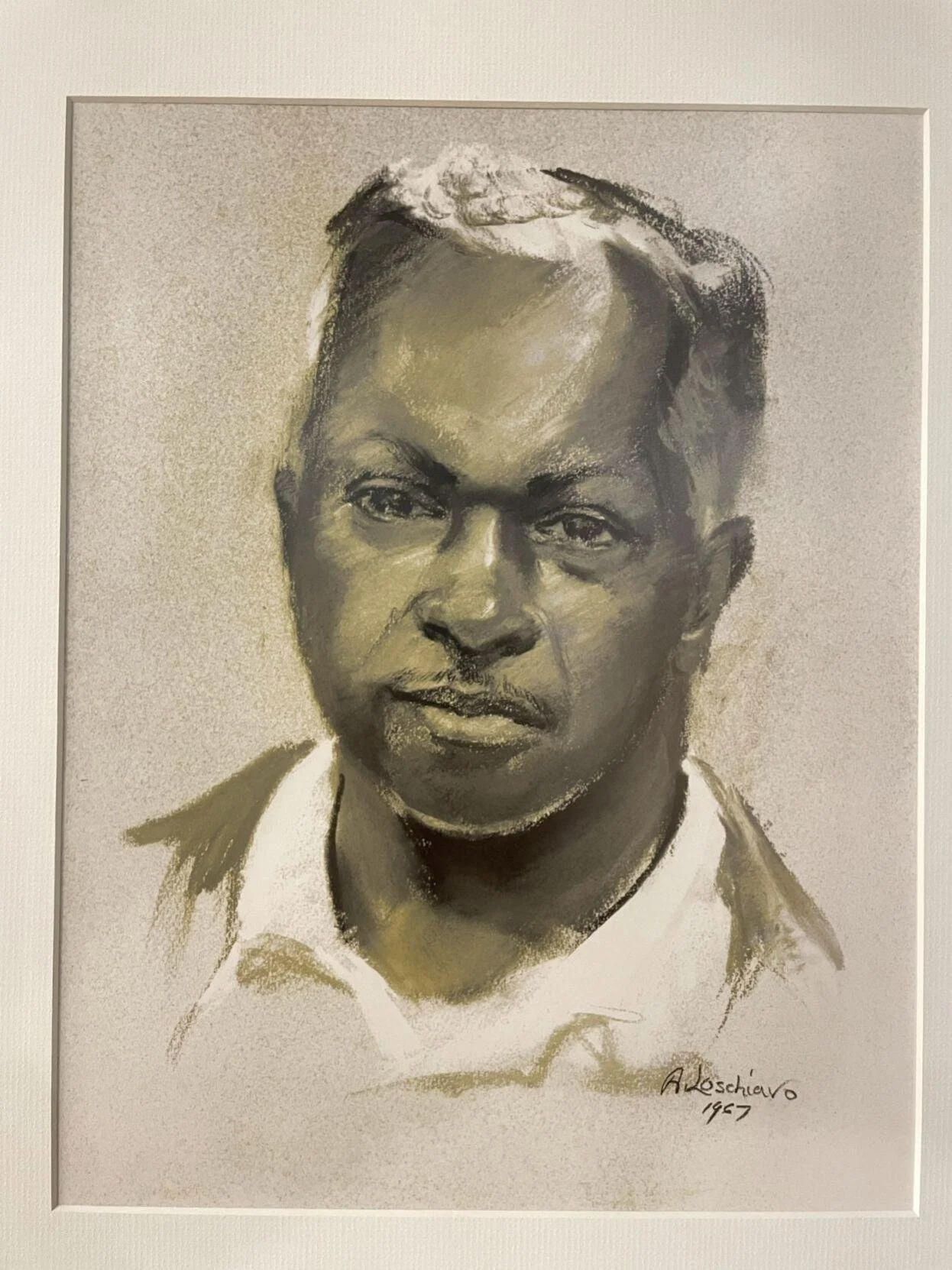
For Luzerne County residents and historians, it is a point of pride that one of the great anthracite coal sculptors is a native son to this area, where coal was king. C. Edgar Patience was devoted to a unique art form in the face of prejudice and brutal working conditions. The struggles and triumphs of Edgar, the grandson of a former slave, are as true to Luzerne County as they are to the Black experience.
C. Edgar Patience’s father, Harry, worked as a breaker boy, where he learned how to create interesting designs by whittling Luzerne County’s most famous export: mined anthracite coal. He was assigned to this breaker boy status due to the backward protocols of turn of the century America, in which Black men were almost exclusively placed in the most menial, and often hazardous, positions. Harry’s lived experience helped shape the young Edgar’s personal and artistic journey.
While his father and brothers created trinkets and souvenirs out of coal, Edgar had grander goals in mind. He dreamed of becoming a sculptor and a full-fledged artist, using anthracite coal as his primary source of creation. Edgar studied the art of sculpture and looked to past masters of the craft for hints on how to join the pantheon of high art. While his ambitions grew, Edgar worked in the family souvenir business to keep his finances afloat.
Edgar’s wife, Alice, was the one who actively pushed him to pursue his dreams of becoming a great artist. To support their growing family, Alice began working so that Edgar could put his full attention into perfecting the coal sculpture process. He got started by building a workshop in the family home and scouring the county for the most worthy coal.
Edgar used coal from all around the region for his work, but the Hazleton area was a particularly good spot for anthracite treasures. Using the blocks he hand-picked, Edgar began sculpting busts of historical figures like George Washington, Abraham Lincoln and John F. Kennedy, with each project taking a significant amount of time to complete. Though sturdy, the coal would occasionally crumble midway through the sculpting process, forcing Edgar to start all over again.
Despite the difficulties of sculpting anthracite coal, Edgar was exceptionally detailed in his work. He built a substantial following due to his impressive skill and the relative uniqueness of coal sculpture. He caught the attention of congressman Daniel Flood, who gifted Edgar’s sculptures to several American presidents. Edgar rose from local fairs to national expositions, gaining international praise in the process.
Though his work was appreciated by royals and heads of state the world over, Edgar considered the multi-ton altar he sculpted for King’s College’s chapel to be his masterpiece. The beautiful, rocky texture of the altar, as well as the fine details at its center, are perfect examples of Edgar’s hyper-specific style. His elite technical ability was tested and proven during the making of Coal Town USA, a sprawling sculpture depicting a bustling town in all of its intricacies, right down to the people who lived there.
Edgar was a supporter of the local arts scene beyond his own work, serving as president of the Showcase Theater in Wilkes-Barre. Additionally, he was an active leader in his community during the era of civil rights, and the respect he earned blazed a path for a new generation of Black artists and thinkers in the area. Edgar’s daughter, the accomplished Dr. Juanita Patience Moss, has carried her father’s story forward through lectures and written works.
Edgar passed away at age 65 due to complications stemming from a life surrounded by coal dust. Until the very end, Edgar shared his gifts with the world, exhibiting his work and taking a TV interview in Pittsburgh just days before his death. In recent times, work from Edgar and his father were put on display in the Smithsonian’s African American Museum of History and Culture. C. Edgar Patience’s sparkling reputation was earned through resilience and dedication, as well as the deep familial bonds that made it all possible.