The Buoys
Class of 2023
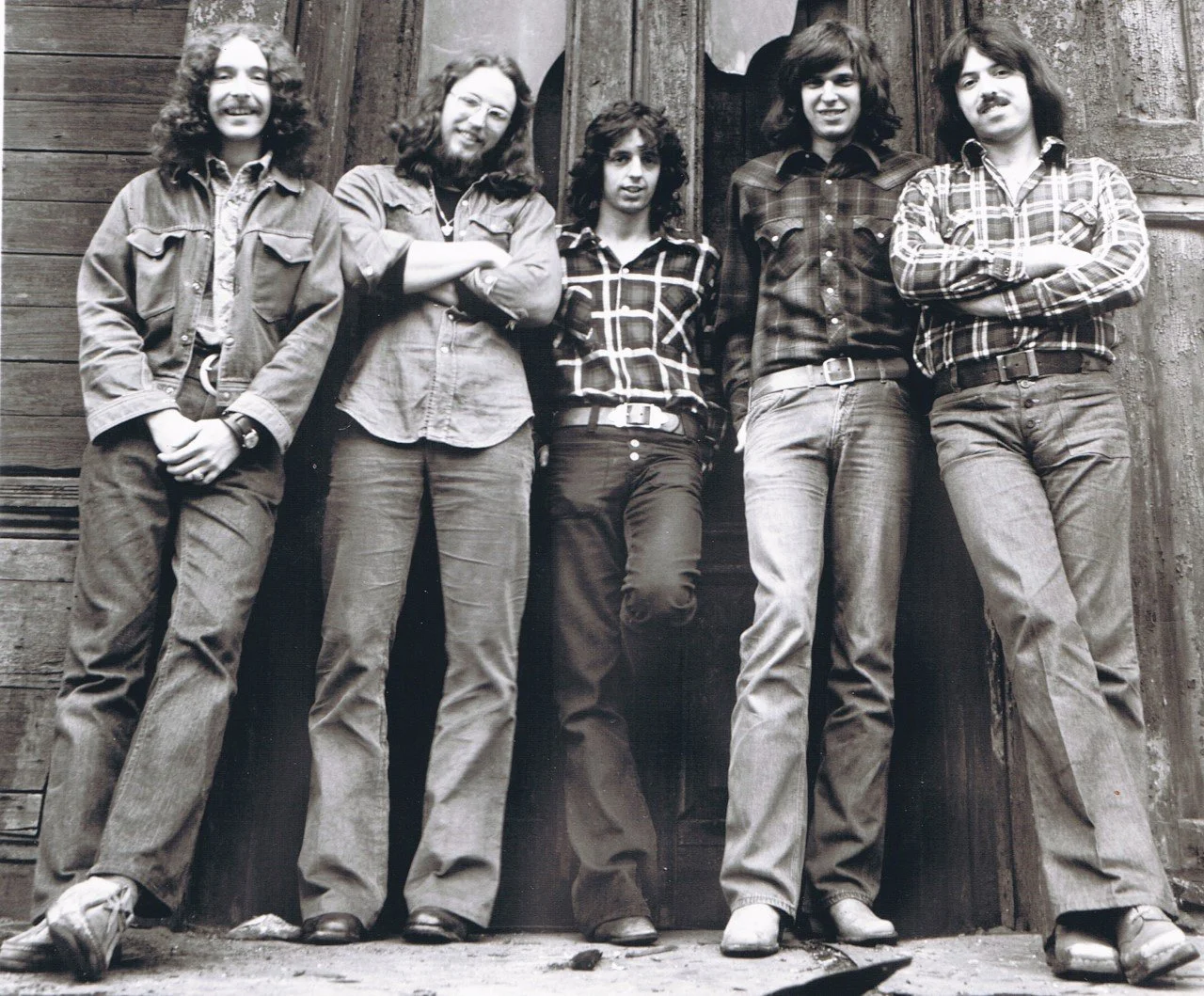
Inducted Members: Fran Brozena, Steve Furmanski, Bob Gryziec, Jerry Hludzik, Bill Kelly, Carl Siracuse
Through infectious harmonies and a timely partnership with an up-and-coming songwriter, the Buoys broke from the local music scene to become national pop artists, one of the first of their kind from the Wyoming Valley. The core of the band included Fran Brozena, Steve Furmanski, Bob Gryziec, Jerry Hludzik, Bill Kelly and Carl Siracuse, and together they crafted one of the most unique and controversial careers in rock music.
Rising in the mid-to-late 1960s, the Buoys were signed to Scepter Records in New York after they were discovered by Rupert Holmes. Holmes was a young songwriter who would go on to have quite a successful career of his own, but he was unable to secure a sweet deal for the Buoys at Scepter. The band was signed to a one-single contract, and the story of the Buoys is very much tied to the single that would come.
The Buoys agreed to a plan hatched by Holmes, in which they would record a song so offensive that morbid curiosity from the public would make up for the lack of corporate backing from Scepter. The resulting song, “Timothy,” tells the story of a mine disaster with three survivors. The titular character becomes the victim of the other two survivors’ hunger, quite possibly making “Timothy” the most famous song about cannibalism ever recorded.
Naturally, the intended controversy surrounding “Timothy” and its subject matter launched the Buoys into notoriety near and far. The song reached number 17 on the US Billboard charts in 1971, despite largely being banned by the powerful radio industry. In Luzerne County, some drew comparisons between “Timothy” and the close-to-home Sheppton mining disaster, though Holmes was unaware of the connection until after the song had already become a success.
With a hit on their hands, Scepter suddenly began paying attention to the Buoys and attempted to play damage control by saying that Timothy was, in fact, a mule. This soft interpretation has since been widely dismissed as a poorly manufactured urban legend. The Buoys were given an expanded deal with Scepter, allowing them to record a debut album that could support the growing popularity of “Timothy.”
Underneath the massive shroud of their hit single, the Buoys were a highly-skilled band that were more than worthy of the attention they received. Look to their self-titled album, where songs like “Give Up Your Guns” and “Sunny Days” reflect a very specific moment in the history of rock. The Buoys were emblematic of the early-70s music scene, which took the jangly sounds of the 1960s and fused them with the progressive rock boom that was about to emerge.
In the years that followed their initial success, The Buoys’ recording career fizzled, but their live act reached new heights. The Buoys toured throughout the first half of the 1970s, playing legendary rock venues like Whiskey a Go Go in Hollywood and Delaware’s Stone Balloon.
Eventually, after the dissolution of the Buoys, a new band fronted by Hludzik and Kelly was established. Dakota, as they were known, secured a coveted spot opening for Queen in the early 1980s and went on to have a successful recording career. Still, fans of the Buoys clamored for a reunion of the original group. The individual band members either moved on from the Wyoming Valley or into other industries, rendering such a reunion unlikely.
The fans were given their desired reunion in 2022 when Brozena, Gryziec and Kelly played together again for the first time in decades. This reunion show, held in the ballroom at Genetti’s, was attended by hundreds of fans, affirming the Buoys’ continued cultural footprint in Luzerne County. Decades after the release of “Timothy,” the Buoys’ meteoric rise to rock and roll stardom remains a turning point in the Luzerne County music scene.