LILLIAN CAHN
Class of 2025
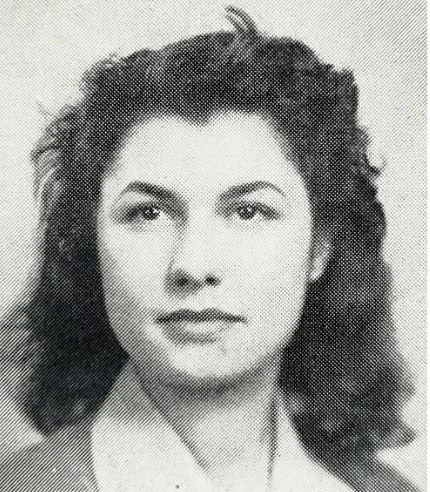
Lillian Cahn is the perfect example of someone who spent critical formative years in Luzerne County, gathered important insights while living here, and later used those insights to change the world. In the process, Cahn and the company she co-founded, Coach, helped to define modern fashion as an artform.
Born on December 11, 1923, in Sátoraljaújhely, Hungary, Cahn’s story is one of humble origins. At that time, she was Lillian Lenovitz, and she emigrated with her family to the United States during the Great Depression. Eventually, Cahn and her family settled in Wilkes-Barre, where her parents opened a store on East Market Street.
Cahn worked in her parents’ store, and proved to be an observant employee. In particular, she took special note of the paper bags she used to deliver noodles to customers. As a student, Cahn attended GAR High School and graduated as the valedictorian of her 1942 graduating class.
Lillian Lenovitz married Miles Cahn in 1947, and the couple began their ascent in leatherworks that eventually led to their co-founding of the modern Coach brand. For decades, the company had been largely based around men’s wallets, but it was Lillian who suggested they start selling women’s handbags. The suggestion was met with skepticism at first.
However, by 1961, the Cahns were in control of Coach and the first handbags — for which the brand is most known — were designed. Lillian took inspiration from the paper bags she used in Wilkes-Barre years earlier and, matched with her husband’s knowledge of leatherworks, Lillian’s vision was realized. Designer Bonnie Cashin was brought in to assist the Cahns in further developing the first collection of Coach handbags.
The Coach handbags were revolutionary for bringing a practicality to the world of high fashion for women. In their early years, the bags were casual and not overly dressy, and they could be worn and used in all seasons. The handbags were predominately made from leather used for making baseball gloves, a clear demonstration of their malleability and endurance.
As the Coach brand grew, the Cahns took on different roles to build it into a high fashion empire. Lillian worked as the showroom manager and the company’s media agent. In the latter role, she built relationships with powerful brand ambassadors and celebrities, bringing a sense of glamour to owning one of the handbags. Coach’s rise to international prominence in the fashion design space came alongside the Women's Liberation Movement of the 1960s and 1970s, and Cahn understood and met the moment.
In 1985, the Cahns sold Coach for $30 million, and their top priority shifted from leatherworks to farming. Their Coach Farm in the Hudson Valley was an esteemed goat cheese farm. The Cahns brought the same level of artistry to the farm as they did to leatherworks, recruiting masters of the craft to help them perfect their product.
Lillian Cahn passed away in 2013, though her two greatest accomplishments as a businesswoman continue to thrive. Coach remains a leading name in both luxury fashion and dairy farming. In laying the groundwork for these sturdy business ventures, Lillian Cahn set her successors up for longstanding prosperity.